

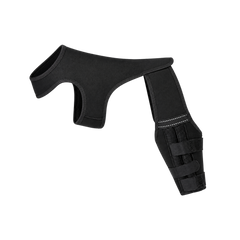
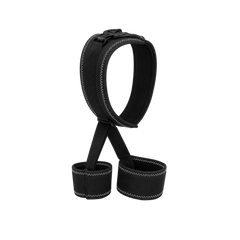

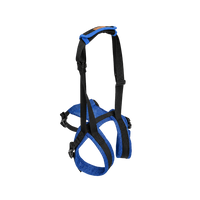


Dog Drag Bag
Protective Dog Drag Bag for Rear Leg Paralysis
Protects the back legs and hips of dogs who pull themselves along the floor.
- Protects back legs, hips and toes from abrasion
- Breathable fabric
- Adjustable fit
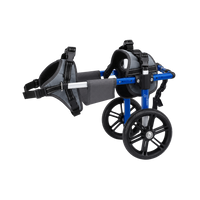
- Works alongside a wheelchair
- Six sizes, extra small through double extra large
In stock. Dispatched within 1 to 2 business days.
Check the size chart Every size measured, and where to put the tape- Free US shipping. Tracked on every order, with the delivery estimate shown at checkout.
- Free sizing check. Send us your measurements and we will confirm the size before you buy.
- Exchange if the fit is wrong. See our returns policy for the terms.
- Fitting help after delivery. Send a photo and we will talk you through the straps.
Not sure this is the right product? Tell us how your dog is moving and we will say honestly whether this suits them, including when the answer is something cheaper or nothing yet. The brace, harness or wheelchair guide is a good place to start.
The Detail
Everything in the box.
A drag bag covers and protects the back legs of a dog who moves by pulling themselves along on their front end. Bare skin on carpet, tile or concrete wears through quickly, and the sores that follow are slow, painful and avoidable.
Who it suits
Dogs with rear leg paralysis or profound weakness who still want to get around indoors under their own steam. Also useful alongside a wheelchair, for the times a dog is out of the frame but still moving about the house.
How it helps
- Protects the back legs, hips and toes from abrasion
- Breathable fabric, so skin underneath stays dry
- Adjustable to fit
- Works alongside a wheelchair rather than replacing it
- Six sizes, extra small through double extra large
What to watch
Check underneath every time it comes off. Dogs who cannot feel their back legs cannot tell you something is rubbing, and a small sore under a drag bag can get established without any signal from your dog at all. Keep it clean and dry, and give the skin time out of it each day.
Getting the size right
Measure rather than guessing, because a loose bag bunches and a tight one restricts. Our measuring guide covers the measurements you need.
If your dog has recently lost use of their back legs, please involve your vet. Some causes of sudden paralysis are treatable, and treatable is time critical.
| Size | Neck | Waist | Length |
|---|---|---|---|
| XS | 5.5 to 8.7 in | 8.7 to 13.4 in | 15.4 in |
| S | 7.8 to 10.6 in | 11.8 to 15.7 in | 17.3 in |
| M | 8.7 to 12.6 in | 14.1 to 17.3 in | 22 in |
| L | 11.4 to 15.7 in | 17.3 to 27.6 in | 29.1 in |
| XL | 13.4 to 17.7 in | 22.8 to 34.6 in | 34.3 in |
| XXL | 18.1 to 20.5 in | 28.3 to 41.7 in | 43.3 in |
Waist is the measurement that decides the size. Measure the chest at its widest, just behind the front legs, and the back from the base of the neck to the hind legs while your dog is moving.
Between two sizes? Do not round on your own. Send us the numbers and we will tell you which way to go, because it depends on the product and on whether your dog is likely to gain or lose muscle. Five minutes on email beats a fortnight waiting on an exchange.
Reviews
What owners actually said.
No reviews for this one yet.
Nobody has reviewed this product yet. Yours would be the first, and it would help the next owner far more than anything we could write.
Not sure it is the right one?
Send us your dog's measurements and a short description of how they are moving. We will tell you honestly what we would order, including when the answer is nothing yet.