


Journal
IVDD and the long recovery.
Crate rest, controlled activity, and where support equipment fits around a plan set by your vet.
Read this first. IVDD is a veterinary emergency in its acute phase. Sudden back pain, an unwillingness to move, dragging legs or loss of bladder control need a vet the same day, not tomorrow. Nothing on this page should delay that call.
Intervertebral disc disease is a problem of the cushions between the vertebrae. Disc material presses on the spinal cord, and depending on where and how much, the result ranges from pain to partial paralysis. It is particularly common in long backed breeds, and it often arrives suddenly in a dog who was fine the day before.
This piece is about the recovery period, which is long, boring and where owners most often need practical help.
What IVDD is
Discs sit between the bones of the spine and act as shock absorbers. When one bulges or ruptures, the material has nowhere to go except towards the spinal cord. The cord does not tolerate compression well, and the effects depend on severity and duration.
Treatment is decided by your vet and depends on grade. Some cases are managed conservatively with rest and medication. Some need surgery, sometimes urgently. That decision is not one you can make from reading, and the window for it can be narrow.
Why rest is the treatment
Whether the route is surgical or conservative, strict rest is what allows inflammation to settle and tissue to stabilise. Movement in that window risks further disc material shifting.
Owners consistently underestimate how strict strict means. It is not reduced walks. It is confinement, with lead toilet breaks only, for the period your vet specifies, typically several weeks. A dog who feels better on day five and is allowed on the sofa can undo the first five days in a moment.
Surviving crate rest
The dog usually copes better than the owner. Some things that help.
- Put the crate where the household is, not in a spare room. Company matters more than quiet.
- Use food puzzles and scent work to tire the brain, since the body cannot be tired.
- Keep to a routine. Predictability settles most dogs faster than attention does.
- Toilet breaks on a lead, in a harness rather than a collar, for the shortest distance that works.
- Ask your vet about pain relief if your dog seems restless. Restlessness is often discomfort rather than boredom.
Where equipment fits
Support equipment sits around a veterinary plan, never instead of one. Used at the wrong time it can actively work against the rest your dog needs.
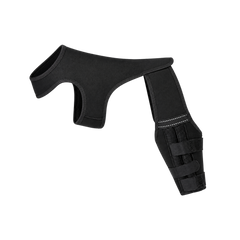
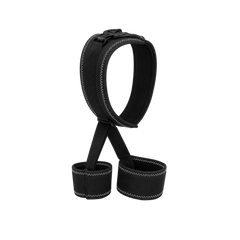
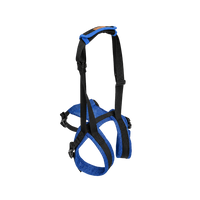
- During strict rest. A sling or rear lift harness for supported toilet breaks, so your dog is not taking full weight through the spine. Nothing else.
- Traction. Runners on the route between the crate and the door. Slipping is exactly the movement you are trying to avoid.
- Later, if advised. A support harness for controlled reintroduction of activity, at the pace your vet or physiotherapist sets.
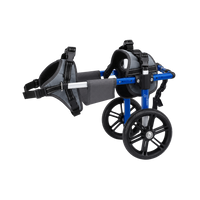
- Where deficits persist. A wheelchair, boots for knuckling, and a longer term setup. Some dogs recover fully, some do not, and that becomes clear over months rather than weeks.
Do not buy a wheelchair during acute recovery unless your vet has specifically advised it. Encouraging a dog to move during the rest window can undo the treatment.
The return to activity
Reintroduction is gradual and structured, usually starting with a few minutes of lead walking on a flat, non slip surface and building over weeks. Your vet or a canine physiotherapist should set the schedule, because it depends on grade, treatment and how your individual dog is doing.
Hydrotherapy is frequently part of this, when a vet considers it appropriate. It allows movement without loading the spine.
Reducing the risk of a repeat
Recurrence is a real risk, and a few habits reduce it.
- Ramps or steps for the sofa, the bed and the car, so there is no jumping down.
- A harness rather than a collar, so there is no pulling load through the neck and spine.
- Weight management. Extra weight increases load through the back, and this is the single biggest modifiable factor.
- Traction on hard floors, permanently rather than temporarily.
- Knowing the early signs, so the next episode is caught in hours rather than days.
This is not veterinary advice. We sell mobility equipment and we write about using it. We cannot diagnose your dog, and nothing here replaces an examination. If your dog's movement has changed suddenly, or they seem to be in pain, speak to your vet.
Want a second opinion on sizing?
Send us your dog's measurements and a photo of them standing side on. We will tell you what we would order, including when the answer is nothing yet.